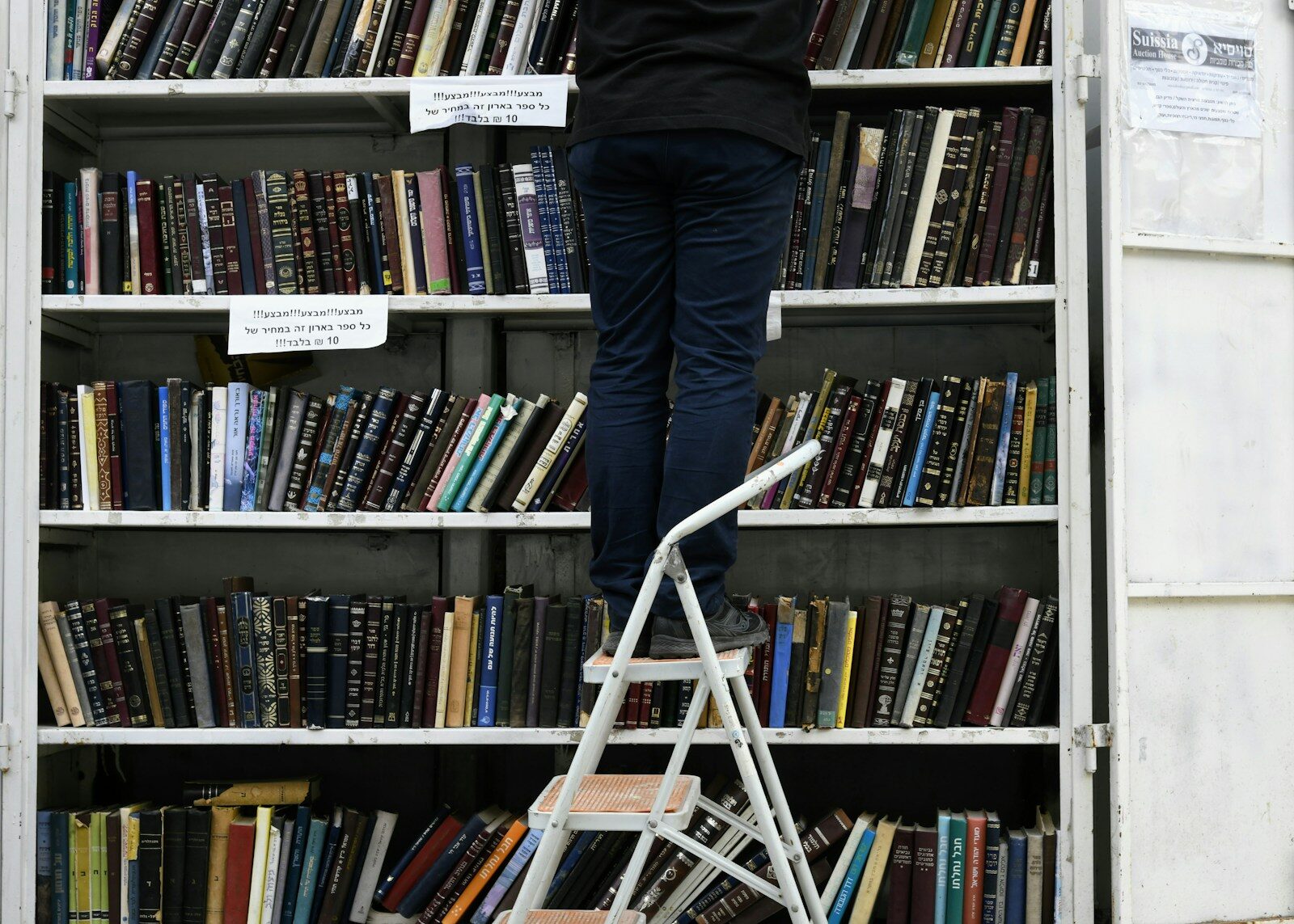
A college or university campus is a busy environment, with hundreds or even thousands of people moving between lecture theatres, laboratories, libraries, workshops and administrative buildings every day. Behind the scenes, facilities teams, cleaning staff, technicians and academic departments all carry out tasks that involve reaching shelves, accessing storage areas and maintaining equipment. Although these jobs may seem straightforward, they can introduce avoidable risks if the right equipment is not available.
One common example is working at a low height. Whether a member of the facilities team is retrieving supplies from a high cupboard, a laboratory technician is accessing stored equipment or a cleaner is reaching an awkward corner, there is often a temptation to improvise. Standing on a chair, desk or unsuitable box might seem like a quick solution, but it creates an unnecessary safety risk.
Providing suitable low-level access equipment is a simple way for educational establishments to encourage safer working practices. Purpose-built safety steps offer a stable alternative to makeshift arrangements, helping staff reach everyday storage and work areas without resorting to potentially dangerous shortcuts.
Practical Equipment for a Diverse Campus
Universities and colleges have particularly varied environments to consider. A science laboratory has different requirements from a catering department, while maintenance workshops, student accommodation and library storage areas each present their own practical challenges.
Equipment needs to be easy to move between locations, straightforward to store and suitable for the conditions in which it will be used. Stackable plastic safety steps can be particularly useful in this respect. They are lightweight enough to be moved when needed, take up relatively little storage space and have wipe-clean surfaces that make regular cleaning easier.
Hygiene is an important consideration in settings such as laboratories, healthcare training facilities and university catering departments. Equipment that can be cleaned quickly and regularly helps support established cleaning procedures, while non-slip surfaces provide additional grip during everyday use.
There is also a benefit in choosing equipment that can withstand frequent use. On a busy campus, access steps may be used by several different members of staff throughout the working day. Durability, stability and ease of handling therefore matter just as much as convenience.
Small Improvements That Support Safer Working Practices
Health and safety management across an educational establishment involves much more than formal policies and training sessions. The equipment available to staff also influences how safely routine tasks are carried out.
A few practical considerations can make a noticeable difference:
- Non-slip surfaces: Help provide better grip when staff are accessing cupboards, shelving and storage areas.
- Stackable designs: Allow equipment to be stored neatly without taking up unnecessary space.
- Lightweight construction: Makes it easier for facilities and maintenance teams to move steps between departments.
- Easy-clean materials: Support regular cleaning in laboratories, kitchens and other hygiene-sensitive environments.
- Appropriate working heights: Provide a practical solution for everyday reaching tasks without requiring larger access equipment.
Importantly, equipment should always be selected according to the task and the manufacturer’s guidance. Low-level steps are useful for occasional reaching, but they are not a substitute for suitable ladders or access platforms when working at greater heights.
Looking Beyond the Obvious Safety Measures
When colleges and universities review workplace safety, attention naturally turns to larger issues such as machinery, electrical systems, fire precautions and laboratory procedures. However, the smaller details of everyday working life deserve consideration too.
A member of staff should not have to search for suitable equipment or improvise simply because a storage cupboard is slightly out of reach. Making practical access solutions readily available helps establish better habits and reduces the temptation to take unnecessary risks.
These are relatively modest investments, but their value extends across the campus. By considering the needs of facilities teams, technicians, cleaners and support staff, educational establishments can create safer, more practical working environments where even the smallest pieces of equipment have an important part to play.
Photo by shraga kopstein.